
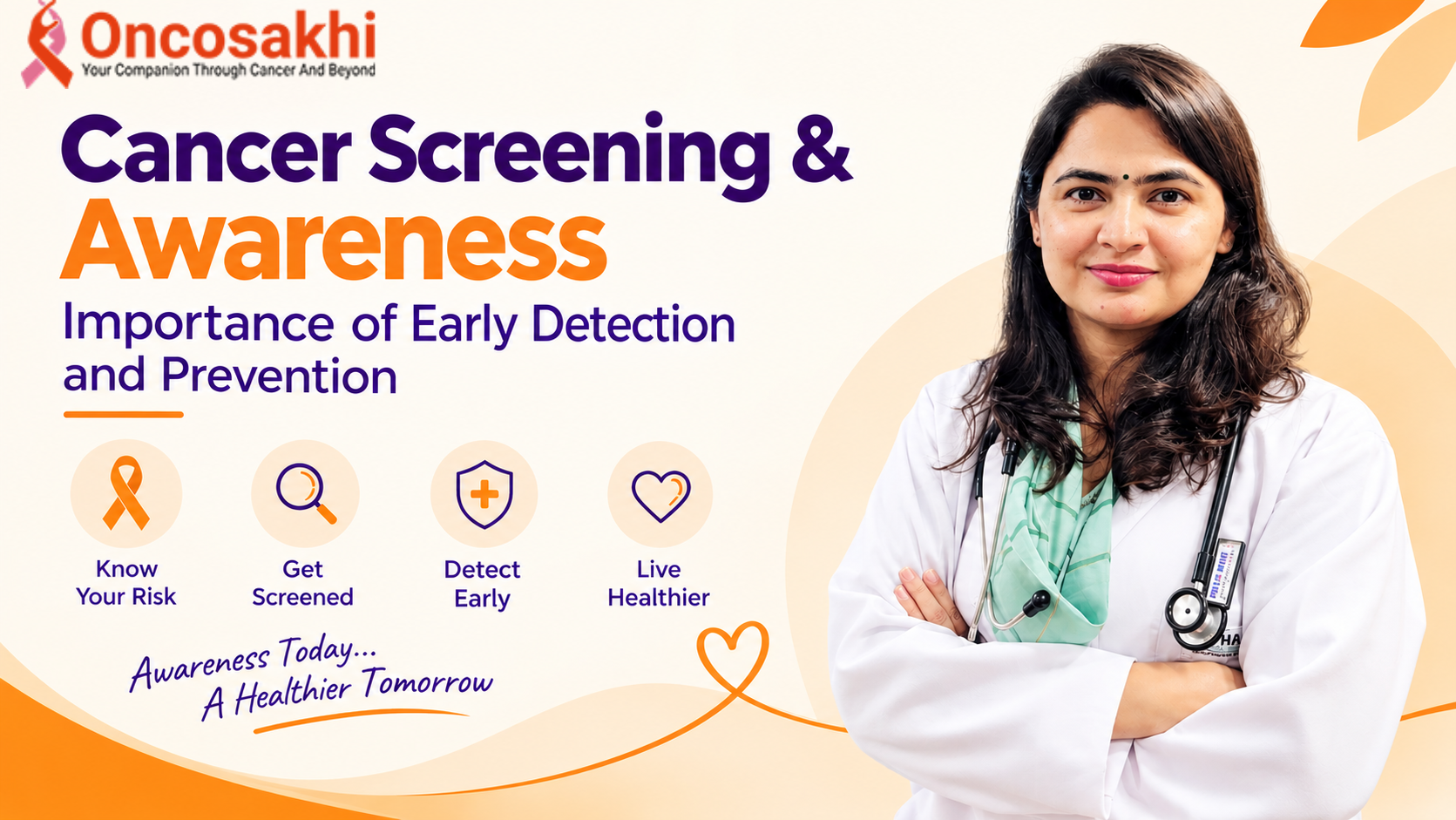
Introduction: Understanding Cancer Screening & Awareness
Cancer is one of the major health challenges affecting people worldwide. However, increased awareness, timely medical consultation, and appropriate screening can help identify certain cancers at an earlier stage, when treatment may be more effective. This makes cancer screening and awareness essential components of preventive healthcare.
According to best oncologist in Noida Many people delay medical check-ups because they feel healthy, fear a diagnosis, or lack information about cancer symptoms. Unfortunately, some cancers can develop without noticeable symptoms in their early stages. Regular health assessments and screening, when recommended for a person’s age and risk profile, can help detect certain cancers or precancerous changes before symptoms appear.
Cancer awareness also encourages individuals to understand their risk factors, recognise possible warning signs, and seek medical guidance without unnecessary delays. Whether you live in Noida, Greater Noida, or Noida Extension, understanding the importance of early detection is an essential step towards taking care of your health.
OncoSakhi aims to promote cancer awareness, patient education, and compassionate support to help individuals and families make informed decisions throughout their cancer care journey.
What Is Cancer Screening?
Cancer screening refers to testing people who do not have symptoms to look for signs of a particular cancer or precancerous condition. It differs from diagnostic testing, which investigates symptoms or an abnormal finding to determine its cause.
The main objective of cancer screening is to identify certain cancers early or detect changes that could develop into cancer. However, not every cancer has an effective routine screening test, and screening is not necessary for everyone in the same way.
A healthcare professional can recommend suitable screening based on factors such as age, family history, sex, previous medical conditions, lifestyle, and individual risk factors.
Some commonly used cancer screening methods include:
- Mammography: An imaging test used to screen for breast cancer.
- Pap test: A test that checks for abnormal cervical cells.
- HPV test: Detects high-risk types of human papillomavirus associated with cervical cancer.
- Oral examination: Helps identify suspicious lesions or changes in the mouth, particularly among people exposed to tobacco-related risk factors.
- Colorectal cancer screening: May involve stool-based tests or procedures such as colonoscopy, depending on individual risk and clinical recommendations.
Screening guidelines vary according to age, personal risk, and medical recommendations. Consulting an experienced cancer specialist can help you understand which tests are appropriate for your circumstances.
Why Is Cancer Awareness Important?
Cancer awareness helps people recognise possible warning signs, understand risk factors, and seek medical attention when necessary. It also addresses misconceptions that can prevent individuals from accessing timely healthcare.
1. Encourages Early Detection
Early detection can improve treatment opportunities for many cancers. When certain cancers are identified before they spread, treatment may be more effective and outcomes may improve.
Regular health consultations and recommended screening tests can help identify potential problems before symptoms become noticeable.
2. Promotes Regular Health Check-Ups
Routine healthcare visits provide an opportunity to discuss cancer risk and determine whether screening is appropriate. These consultations can be especially important for individuals with a family history of cancer or other recognised risk factors.
3. Reduces Fear and Misinformation
Many people avoid medical consultations because they fear a cancer diagnosis. Cancer awareness campaigns help replace myths with reliable medical information and encourage people to seek professional advice.
4. Supports Informed Decisions
Understanding the benefits and limitations of cancer screening helps individuals make informed healthcare decisions. An abnormal screening result does not necessarily mean cancer is present, and additional tests may be required to establish a diagnosis.
Common Types of Cancer Screening
Different cancers require different screening approaches. Understanding the available methods can help people discuss appropriate screening with their healthcare professionals.
Breast Cancer Screening
Breast cancer is an important health concern for women in India. Mammography is a widely used screening method that can identify suspicious breast changes before they become noticeable.
People should also be aware of changes such as a new breast lump, changes in breast shape or size, skin dimpling, nipple inversion, or unusual nipple discharge.
These symptoms do not automatically indicate cancer, but they should be evaluated by a qualified healthcare professional. The recommended age and frequency for mammography depend on individual risk and applicable clinical guidelines.
Cervical Cancer Screening
Cervical cancer is commonly associated with persistent infection from high-risk types of human papillomavirus (HPV).
Screening methods such as HPV testing and Pap testing can identify high-risk infections or abnormal cervical cells before they progress to cancer. HPV vaccination is another important preventive measure, although vaccination does not eliminate the need for recommended cervical screening.
Women should consult a healthcare professional about the appropriate screening schedule based on their age, medical history, and previous results.
Oral Cancer Screening
Oral cancer awareness is particularly important in India because tobacco smoking, smokeless tobacco, and areca nut products are significant risk factors.
Warning signs may include a mouth ulcer that does not heal, persistent red or white patches, unexplained bleeding, difficulty swallowing, or a lump in the mouth or neck.
A clinical oral examination can help assess suspicious changes. People who use tobacco or areca nut products should seek medical advice and consider support to stop using them.
Colorectal Cancer Screening
Colorectal cancer affects the colon or rectum. Depending on age, risk, symptoms, and local guidelines, screening may involve stool-based tests or colonoscopy.
Screening can sometimes identify precancerous polyps that can be removed before they develop into cancer. People with a family history of colorectal cancer or certain inherited conditions may require earlier or more intensive evaluation.
Persistent changes in bowel habits, blood in the stool, unexplained weight loss, or ongoing abdominal discomfort require medical assessment rather than waiting for a routine screening appointment.
Early Warning Signs of Cancer You Should Not Ignore
Cancer symptoms vary depending on the affected organ and stage of the disease. Some symptoms may also occur because of non-cancerous conditions. Nevertheless, persistent or unexplained changes should be evaluated by a healthcare professional.
Common warning signs include:
- An unexplained lump or swelling.
- Unintentional weight loss.
- Persistent fatigue without an obvious cause.
- Unusual bleeding or discharge.
- A sore or ulcer that does not heal.
- A persistent cough or hoarseness.
- Difficulty swallowing.
- Changes in bowel or bladder habits.
- A new or changing mole or skin lesion.
It is important not to ignore symptoms that persist or worsen. Screening is primarily intended for people without symptoms; someone experiencing concerning symptoms may require diagnostic tests even if their previous screening results were normal.
How Can You Reduce Your Risk of Cancer?
Although not all cancers can be prevented, certain lifestyle changes can reduce the risk of developing some cancers and support overall health.
Maintain a Healthy Lifestyle
Eat a balanced diet containing vegetables, fruits, whole grains, and other nutritious foods. Maintain regular physical activity and work towards a healthy weight.
Avoid Tobacco
Avoid smoking and smokeless tobacco. Tobacco use is associated with several cancers, including cancers of the lung, mouth, throat, and oesophagus.
Limit Alcohol Consumption
Alcohol consumption is associated with an increased risk of several cancers. Avoiding alcohol can help reduce this risk.
Get Recommended Vaccinations
HPV vaccination helps protect against HPV types responsible for many cervical cancers and some other cancers. Hepatitis B vaccination helps prevent chronic hepatitis B infection, which can lead to liver cancer.
Discuss vaccination eligibility and timing with a qualified healthcare professional.
Understand Your Family History
A family history of certain cancers may indicate an increased risk. Share relevant details with your doctor, who can determine whether earlier screening or genetic counselling may be appropriate.
Follow Recommended Screening Schedules
Avoid unnecessary testing while ensuring that recommended screenings are not missed. A personalised screening plan is generally more useful than undergoing multiple tests without medical guidance.
Cancer Screening and Awareness in Noida, Greater Noida, and Noida Extension
Access to reliable cancer information and medical guidance is important for individuals and families living in rapidly developing urban areas such as Noida, Greater Noida, and Noida Extension.
People searching online for the Best Oncologist in Noida or the Best Cancer Specialist in Noida often want guidance on screening, diagnosis, treatment options, and follow-up care. Choosing a specialist should involve considering medical qualifications, clinical experience, treatment facilities, communication, and the patient’s individual needs.
Similarly, individuals looking for the Best Oncologist in Greater Noida or the Best Cancer Specialist in Greater Noida may benefit from understanding the importance of preventive health assessments and timely evaluation of suspicious symptoms.
For residents of nearby residential communities, searches for the Best Oncologist in Noida Extension and the Best Cancer Specialist in Noida Extension often reflect the need for accessible cancer care and trustworthy medical information.
When choosing an oncologist, consider the type of cancer involved, the specialist’s relevant expertise, available diagnostic and treatment services, and whether multidisciplinary care is offered when needed. It is also important to ask questions about treatment options, potential benefits, side effects, costs, and follow-up requirements.
OncoSakhi provides a platform for cancer-related information, patient education, and care guidance. Individuals can visit the official OncoSakhi website to explore available services and learn more about its approach to cancer care.
Remember: The term “best” depends on an individual’s medical needs. A qualified specialist with relevant expertise and an appropriate treatment plan can help patients make informed decisions about their care.
How OncoSakhi Supports Cancer Screening and Awareness
Cancer care involves more than diagnosis and treatment. Patients and families may also need emotional support, reliable information, rehabilitation, and guidance throughout their healthcare journey.
OncoSakhi focuses on cancer awareness, patient education, and compassionate care. Its approach aims to help individuals understand their health concerns, seek appropriate medical advice, and navigate available treatment and support services.
Cancer-related decisions can sometimes feel overwhelming. Understanding medical recommendations, preparing questions for appointments, and involving family members in discussions can help patients feel more informed and supported.
People who have concerns about possible symptoms, screening results, or cancer treatment should consult a qualified healthcare professional rather than relying solely on online information.
To learn more about cancer care services, awareness initiatives, and available support, visit OncoSakhi.
Conclusion: Take the First Step Towards Early Detection
Cancer screening and awareness play an important role in encouraging timely diagnosis and appropriate treatment. Understanding personal risk factors, recognising unusual symptoms, following recommended screening schedules, and adopting healthier habits can help individuals take a more proactive approach to their health.
Whether you are searching for cancer screening information or exploring options for an oncologist in Noida, Greater Noida, or Noida Extension, remember that reliable information and personalised medical advice are essential.
Not every cancer can be prevented, and screening does not guarantee that cancer will be detected. However, understanding recommended screening options and acting promptly when concerning symptoms appear can make an important difference.
Take charge of your health today by speaking with a qualified healthcare professional about the screening tests appropriate for you. Encourage your loved ones to prioritise preventive healthcare and share accurate cancer awareness information within your community.
About Dr. Manjari Shah
Dr. Manjari Shah is a Consultant Radiation Oncologist and co-founder of OncoSakhi, an initiative focused on cancer care, patient education, and support for individuals and families affected by cancer.
Her work in radiation oncology includes specialised treatment approaches such as Intensity-Modulated Radiation Therapy (IMRT) and Image-Guided Radiation Therapy (IGRT), where clinically appropriate. Through patient-focused care and cancer education, she contributes to helping patients understand their treatment options and navigate their cancer care journey.
For individuals looking for information about cancer awareness, radiation oncology, and cancer treatment guidance, OncoSakhi provides a platform to explore relevant services and support.